Why the Process Matters More Than the Outcome
There’s a moment in almost every training block where motivation wobbles.
Not because you don’t care. Not because you’re lazy. But because the process starts to feel heavier than the goal.
It usually happens halfway through.
Fatigue builds. Sessions stop clicking. Life adds pressure from the side. And suddenly training becomes something to get through rather than something you chose.
That moment raises an important question:
Do you love the outcome - or do you love the game?
The Game Isn’t the Finish Line
Right now, I’m away on a training camp in the Middle East, building toward 10 Ironmans in 10 days, across 10 cities.
That means 300–400km of cycling each week. And I’ll be honest - I didn’t fancy doing all of that on a turbo trainer in a cold, grey UK winter.
So I came somewhere warm.
I’ve been joining run clubs. Swimming with local groups. Jumping into rides with people I’ve never met.
And in between sessions, I’ve been having conversations — the kind that only happen when training becomes part of your lifestyle rather than something boxed into a spreadsheet.
What keeps coming up is this:
The real value of fitness isn’t how well you test it. It’s how freely you can use it.
Fitness as Freedom
One of the highlights of this camp had nothing to do with the plan.
A last‑minute early morning ride. A passport in my pocket. A border crossing into Oman. A long descent through some of the most beautiful scenery I’ve ever ridden.
It wasn’t optimal. I should’ve slept more. It wasn’t in TrainingPeaks.
But it reminded me why I train.
Fitness gives you freedom.
The freedom to:
-
Turn up to a run club anywhere in the world
-
Jump into a bike group without fear
-
Walk into a gym full of strangers and feel capable
-
Explore places through movement
That’s something I’m deeply proud of.
It’s the ability to play again - like PE at school - just with better kit and slightly worse recovery.
We call it adult PE.
When the Game Becomes the Numbers
It’s easy to lose sight of this.
I’ve done it myself - particularly during periods focused purely on speed.
When training becomes:
-
Pace targets
-
Splits
-
Heart rate graphs
-
Chip times
Adventure quietly disappears. Freedom tightens. And enjoyment becomes conditional on performance.
In my experience, that hasn’t served me well.
Times matter. Structure matters. Targets matter.
But only if they support enjoyment of the process - not replace it.
Because when the game becomes purely binary - good session or bad session - emotional volatility skyrockets.
And training stops giving back.
Loving the Game When Things Go Wrong
Loving the game doesn’t mean pretending everything is positive.
It means learning how to respond when things go wrong.
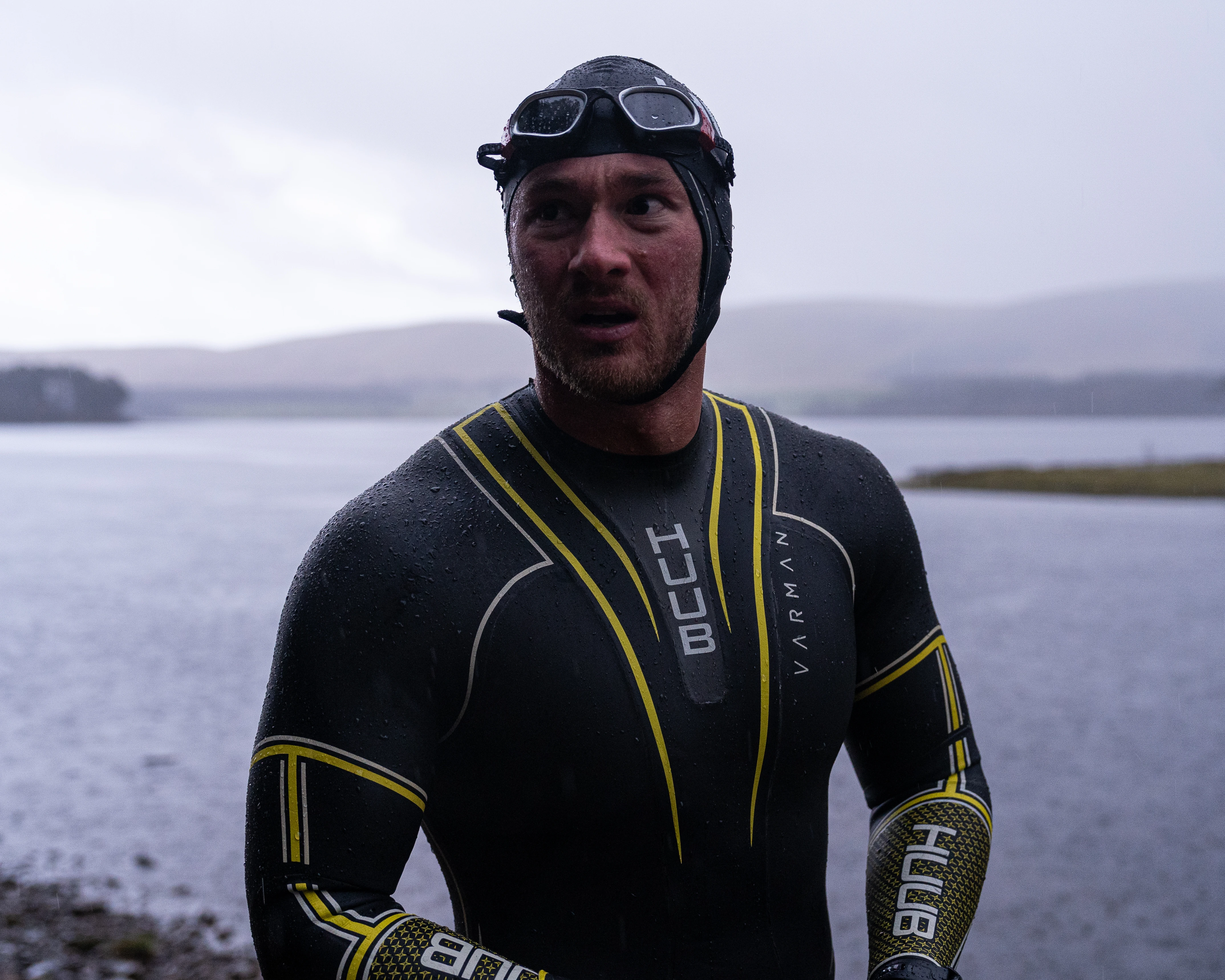
Miss a rep. Miss a pace. Chain snaps. Waterproof leaks. Wetsuit rips.
These aren’t interruptions.
They’re the point.
The bigger the goal, the more variables you introduce. That’s why extreme endurance events are so revealing - you’re not just testing fitness, you’re testing preparation, adaptability, and decision‑making.
When something doesn’t go your way and frustration spikes, there’s a choice:
Panic - or problem‑solve.
That skill doesn’t appear magically. It’s developed through exposure. Willing exposure.
You ask to be tested. Then the test arrives.
Folding immediately means missing the lesson.
“I Love the Game”
A few days ago, I pulled the valve out of my bike tyre.
Tubeless sealant everywhere. Valve stuck. Ride delayed.
Rage bubbled up instantly.
Then I laughed.
And forced myself to say:
“Part of the game. I love the game.”
That one phrase shifted everything.
Not because it fixed the problem - but because it stopped the problem controlling me.
I went into problem‑solving mode. Got it sorted. Rode later. Rode shorter. Still rode.
That’s freedom.
Not freedom from hard work - but freedom through it.
Why We Train This Way at OMNIA
This philosophy sits at the heart of OMNIA.
We don’t train people to chase numbers in isolation. We train people to become capable across disciplines.
Strength. Endurance. Adaptability.
Because competence creates confidence. And confidence creates freedom.
You’re not training to be the best in the world. You’re training to become better within your world.
That’s amateur performance - and there’s nothing amateur about the intent behind it.
You choose this. You invest time. You invest energy. You invest yourself.
If the process ever stops giving you momentum, it’s worth asking:
Am I getting what I asked for here?
Training as Skill Acquisition
One of the most underrated benefits of endurance training isn’t fitness.
It’s adaptability.
Learning how to:
-
Pause under pressure
-
Think clearly when fatigued
-
Make decisions when uncomfortable
-
Keep moving forward when variables stack up
Those skills transfer.
To work. To relationships. To business. To life.
Nothing has taught me more about myself than ultras and triathlon.
Not because they’re heroic. But because they force you to meet yourself - repeatedly - and decide how you respond.
Love the Game
The man who loves walking will always walk further than the man who only loves the destination.
Because enjoyment sustains effort.
If you can learn to smile when things go wrong - not because they’re fun, but because they’re meaningful - training becomes something far more powerful than preparation for an event.
It becomes preparation for life.
So the question remains:
Do you love the game?
Train with intent, not guesswork If you want structure that respects both performance and longevity — this is exactly what our hybrid training systems are built for.
Not sure what plan is best for you? Take our Hybrid Training Quiz
Fergus Crawley
 How Hypertrophy Works
 How To Build Mental Strength
 Cut or Bulk?