The Metrics That Actually Matter
(and the Ones That Don’t)
Metrics overwhelm us. Full stop.
We’re all walking around with a VO2 max estimate, a readiness score, a Strava heatmap, a calorie count and a sleep score all competing for our attention before we’ve even had breakfast. And most of us are reacting to every single wobble in every single number like it means something.
It usually doesn’t.
So here’s a rundown of the training metrics we think are actually worth your attention, and how to use them without letting them own you.
Key takeaways
- No single metric means much in isolation. Context is everything.
- Track calories and macros for awareness, not as the basis of your whole relationship with food.
- The notes section of your training diary explains why your numbers changed.
- Enjoyment, or “smiles per mile”, matters even though no app tracks it.
- Look at training data over weeks and months, not this week versus last week.
- Watch-based metrics like VO2 max are proxies. Use the trend, not the exact number.
- Sleep consistency matters as much as total hours. Avoid stacking bad nights.
- Real progressive overload means the same session feels easier, not just that the numbers go up.
Which training metrics actually matter?
The metrics most worth your attention are your training data over time, your sleep, your nutrition, the notes in your training diary and how much you’re enjoying it. Algorithm-based numbers like VO2 max and race predictors are useful, but treat them as trends rather than exact readings.
Here’s how to use each one.
Should you track calories and macros?
Yes, but view them like your current account balance.
Track your intake, be aware of it and use it to make informed decisions. That’s it. Don’t build your entire relationship with food around a number on an app.
Amount matters more than almost anything else for performance and body composition. Layer in quality, like micronutrition, whole foods and sensible carb timing around training, on top of that foundation. But don’t confuse the foundation for the whole house.
We went through the whole “IIFYM, live off Pop-Tarts and whey protein” phase collectively as an industry. Yes, you can stay lean eating rubbish. No, you won’t feel or perform your best doing it.
Track it for a period to build awareness. Then either keep tracking if you’ve got a healthy relationship with it, or use what you’ve learned to make better intuitive decisions from there.
Why does the notes section of your training diary matter?
This is the one people skip, and it’s the one that gives everything else context.
Numbers are objective. They go up, they go down. But they don’t tell you why. Maybe your lifts went up because work was quiet and you were sleeping brilliantly. Maybe they went up despite a chaotic month, and that’s actually more impressive. You won’t know unless you write it down.
If you look back at “six weeks that went really well” and try to repeat the training without accounting for the fact that life looks completely different now, you’re going to get a completely different outcome. Metrics without context are just lines on a graph.
What is “smiles per mile”?
Arguably the most important metric on this list.
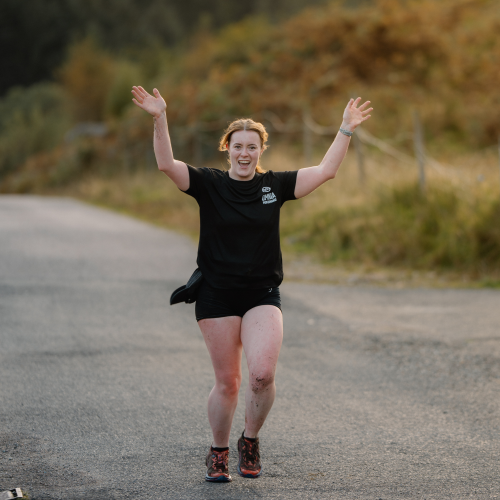
Some sessions are just turning up and getting it done. Others make you smile, properly and uncontrollably, mid-session or after. That’s worth noticing. It’s worth actively choosing sometimes, too. Running 25 seconds per kilometre slower than prescribed because you’re with a group of mates and having a genuinely great time is not a wasted session.
Training is repetitive by design. Same places, same sessions, small progressive overload, week after week. So when you catch yourself grinning, after a big lift or on a solo run somewhere new, that’s a signal worth paying attention to.
It’s also a good way of fighting back against a life spent staring at screens. Your body telling you that you’re having a good time is a very different kind of feedback to a like on a photo.
How should you read your training data?
Sets, reps, loads and times, written down and tracked properly over time.
The value isn’t any single number. It’s the story those numbers tell across weeks and months. People are quick to overreact to one or two data points, when really they need a much bigger sample to draw any real conclusion.
Some people respond to a block of training in a nice steady line upward. Others plateau for weeks, then jump. Some don’t seem to move at all until week six, then suddenly do. If you only ever look at this week versus last week, you’ll misread what’s actually going on.
Should you trust VO2 max, race predictors and threshold pace on your watch?
They’re useful, but they’re largely proxies.
Your watch’s VO2 max estimate isn’t measuring your VO2 max directly. It’s inferring it from heart rate data, which is itself influenced by a dozen other variables. That doesn’t make it useless. If it trends up over six months of training, you can be fairly confident your actual fitness has improved, even if the specific number isn’t gospel.
It’s the same principle as scale weight on a diet. Not the full picture on its own, but if it’s trending the right way and you’re not falling apart in the process, it’s telling you something real. The trap is fixating on the single number and ignoring everything else going on around it.
How important is sleep for training?
Sleep is one of the biggest performance levers available to any of us, and one of the most ignored.
It’s not just about hitting eight hours. It’s about consistency: a steady circadian rhythm, similar bed and wake times, and an honest awareness of how disrupted sleep is actually affecting you. Five broken hours across three wake-ups is a very different thing to five uninterrupted hours, even though the number on the app looks the same.
The real skill isn’t perfect sleep. It’s not stacking bad nights. If you know last night was rough, that’s the signal to protect tonight, not to push through and hope for the best two nights running.
And if life genuinely doesn’t allow for enough sleep right now, like a new baby or a demanding period at work, the honest move is to adjust your training expectations, not to pretend the deficit doesn’t exist.
What does progressive overload actually mean?
Most people think progressive overload means the numbers on the sheet go up. Weight increases, pace increases, done.
That’s not quite it. Real progressive overload is doing the same session again and finding it easier: lower heart rate, lower perceived effort, same output. Being able to add more load or intensity next time is a consequence of that adaptation, not the definition of it.
Why does this matter for hybrid athletes?
Because fatigue masks fitness.
You can be eight weeks into a block with your strength numbers feeling flat or even dropping, and conclude the whole approach isn’t working. Often, you’re just carrying cumulative fatigue from increasing volume across multiple disciplines at once. Deload, let that fatigue clear, and your actual fitness often reveals itself.
This is exactly the point in a hybrid block where people quit, convinced it’s not working, when really they just haven’t given the adaptation time to show up.
Don’t rush the early weeks of a block just because you feel fresh, either. Move at the pace the programming intends. Making every session maximally hard while you’ve still got fresh legs just pulls forward fatigue you’ll need later.
Frequently asked questions
What are the most important metrics to track in training?
Your training data over time (sets, reps, loads and times), sleep, nutrition, the notes in your training diary and how much you’re enjoying it.
Is the VO2 max on my watch accurate?
It’s an estimate based on heart rate data rather than a direct measurement, so the exact number isn’t gospel. If it trends up over months of training, your fitness has likely improved.
Should I track my calories?
Tracking for a period builds useful awareness. After that, keep tracking if you have a healthy relationship with it, or use what you’ve learned to make better intuitive decisions.
How much sleep do I need for training?
Consistency matters as much as total hours. Keep similar bed and wake times, avoid stacking bad nights, and adjust your training if life doesn’t allow enough sleep.
What is progressive overload?
Doing the same session again and finding it easier, with a lower heart rate and lower perceived effort for the same output. Adding load or pace next time is a result of that adaptation.
Why are my strength numbers dropping during hybrid training?
Often, it’s cumulative fatigue from training several disciplines at once, not lost fitness. A deload usually lets that fatigue clear so your real fitness shows.
Why should I keep a training diary?
Numbers show what changed, but notes explain why. Without context like sleep, stress and life events, it’s hard to repeat what worked.
The bottom line
None of these numbers mean much in isolation. Context is everything, and half of that context has to come from you, not your watch.
Track what’s useful. Notice what actually matters, including the stuff with no dashboard, like whether you’re still smiling. And don’t mistake a proxy for the real thing, or a bad week of data for the full story.
Want coaching that looks at the whole picture?
If you want coaching that looks at the whole picture, not just the numbers on your watch, get in touch with the OMNIA coaching team.
Want to learn more about hybrid training? Download our free hybrid training guide here
 How to Run a Sub-5 Minute Mile
 How to Brace for Your Lifts
 How To Nail Your Ironman Nutrition