Endurance Sport Is Exploding. Here’s Why.
Go to any big park on a Sunday morning.
Five years ago: dog walkers. Maybe one bloke in Saucony’s.
Now? Run clubs. Tri suits. Someone mid-taper for an Ironman. Someone else who just signed up for a 100-miler because their mate dared them.
Something shifted. Here’s what happened – and why it’s only getting bigger.
Social media actually helped
Yeah, we said it.
People are seeing normal humans – with jobs, kids, imperfect lives – crossing Ironman finish lines and running ultras. Not elites. Not those who have grown up in the sport. People who look like them. That changes what feels possible.
Documentaries have done the same. UTMB. Backyard ultras. The curtain’s being pulled back on what these events actually look like. Which leads us to the biggest myth that’s still keeping people out.
Ultra running doesn’t mean running the whole thing
Most people picture ultras as non-stop, psychopathic suffering.
It’s not.
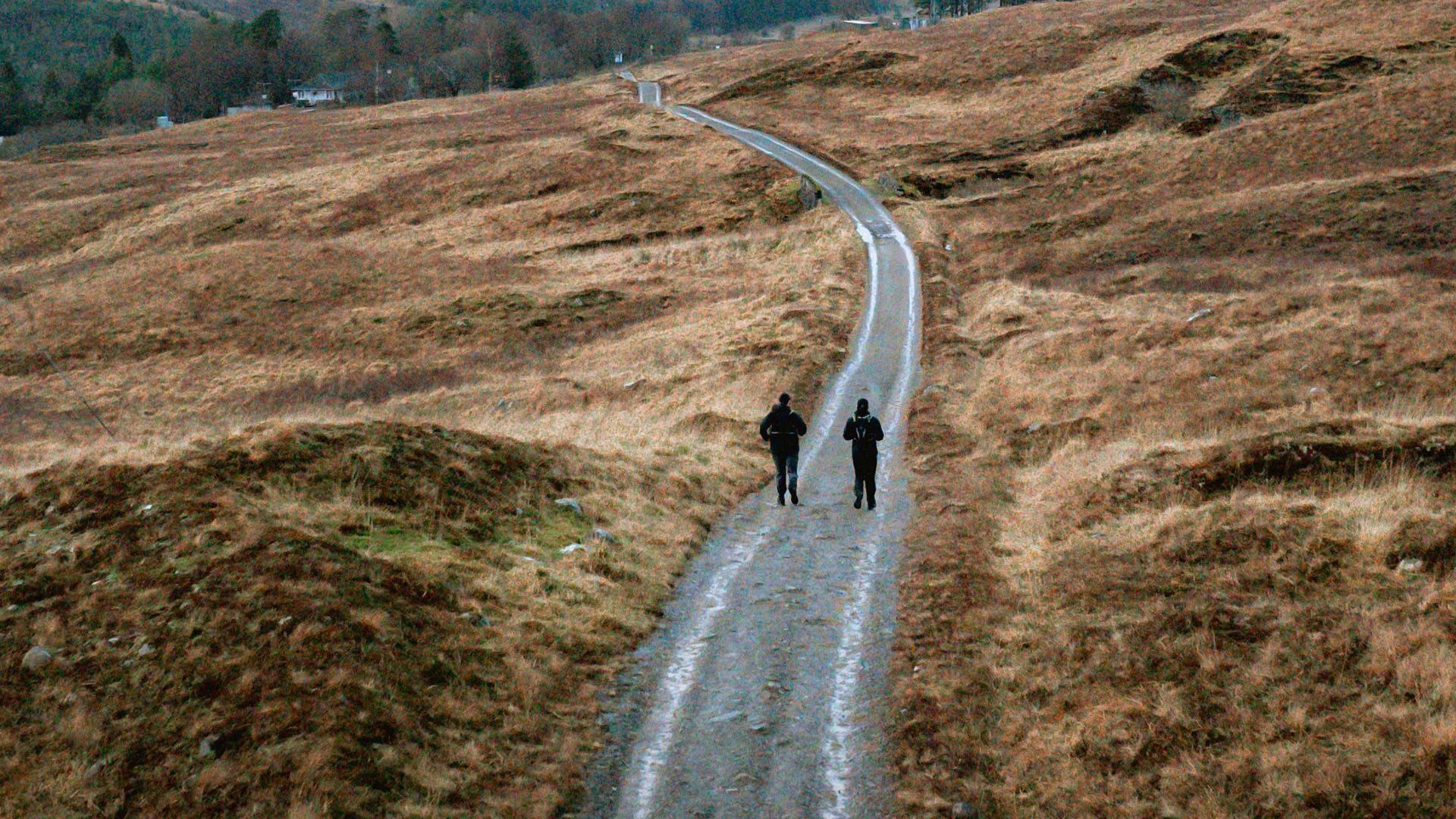
You walk the uphills. You sit at aid stations and eat until you feel sick. You chat to strangers. You stop for views. The people at the front? Sure, different story. But the other 95% are on a very long, very beautiful day out.
The sooner people realise that, the more people sign up.
Nobody actually cares about your pace
Ask someone what their favourite moment of their last race was.
They won’t say “mile 18 when I hit target pace.”
They’ll tell you about the person they met at an aid station at 3am. The sunrise at the top of a climb. The moment they wanted to quit and didn’t.
That’s what this is about. The time goal is just an excuse to show up.
Strava’s made this worse, not better. A 30-minute 5k gets sneered at online, when the average parkrun finish time is closer to 37 minutes. People are DNF’ing ultras not because they’ve hit the cutoff – but because they’re not hitting their time goal. That’s a tragedy. Keep moving. The numbers are meaningless. The experience isn’t.
Trail running forces this realisation faster than anything. When you’re picking your way down a technical descent at hour six, pace is the last thing on your mind. You’re just in it. Present. That kind of forced presence is rare. People are hungry for it.
Your phone can’t come
Desk job. Screen all day. Commute home on your phone. Sofa. Bigger screen.
Most people have zero structured time away from their devices. No built-in space to think.
Running fixes that. Cycling forces it – you literally cannot scroll on a descent (please don’t scroll on a descent). The longer the effort, the longer you’re gone.
Endurance sport is mandatory detox. And people are starting to figure that out.
The 50-year-olds are winning. There’s a reason for that.
Fastest rider at your local club? Probably in his late 40s.
That’s not luck. Endurance is built over years – aerobic base, structural resilience, the ability to suffer without panic. A 45-year-old who’s been moving consistently for two decades has a massive head start on a 25-year-old who just got excited. They know their body. They don’t go out too hard. They’ve learned what suffering feels like and how to manage it.
Resilience is earned. You cannot rush it. And it compounds with age.
That’s exciting if you’re 35, 45, or later. You’re not behind. You’re building something. The people who go furthest are the ones who started slow and stayed consistent. Don’t burn yourself out chasing it all at once.
The barrier is lower than you think
Go watch a parkrun. People are walking. People are in jeans. A 70-year-old is beating half the field.
Backyard ultras have pushed this even further – you’re never more than a couple of miles from the start. Run what you can, see where it takes you. Beat a marathon distance and you’ve officially run an ultra. Keep going if you’ve got more.
You don’t need to be fast. You don’t need experience. You need to start, stay consistent, and not be an idiot about it.
Anything – legitimately anything – is better than nothing.
One last thing
Find a club.
Every city, every region, every mountainous area has trail running clubs, fell running clubs, cycle clubs. These people aren’t gatekeepers. They’re just people who found something brilliant and want more people in it.
Show up. Get after it. Build slowly.
The rest follows.
If you want help with how to get into the endurance space, how to periodise strength and endurance together, how to avoid the interference effect and balance your nutrition — you can apply to work with us here.
Or, if you’d like an introduction to hybrid training – you can download our free hybrid training guide here.
 VO2 Max Explained: What Hybrid Athletes Need to Know
 The Metrics That ACTUALLY Matter
 How To IMPROVE Your Cycling