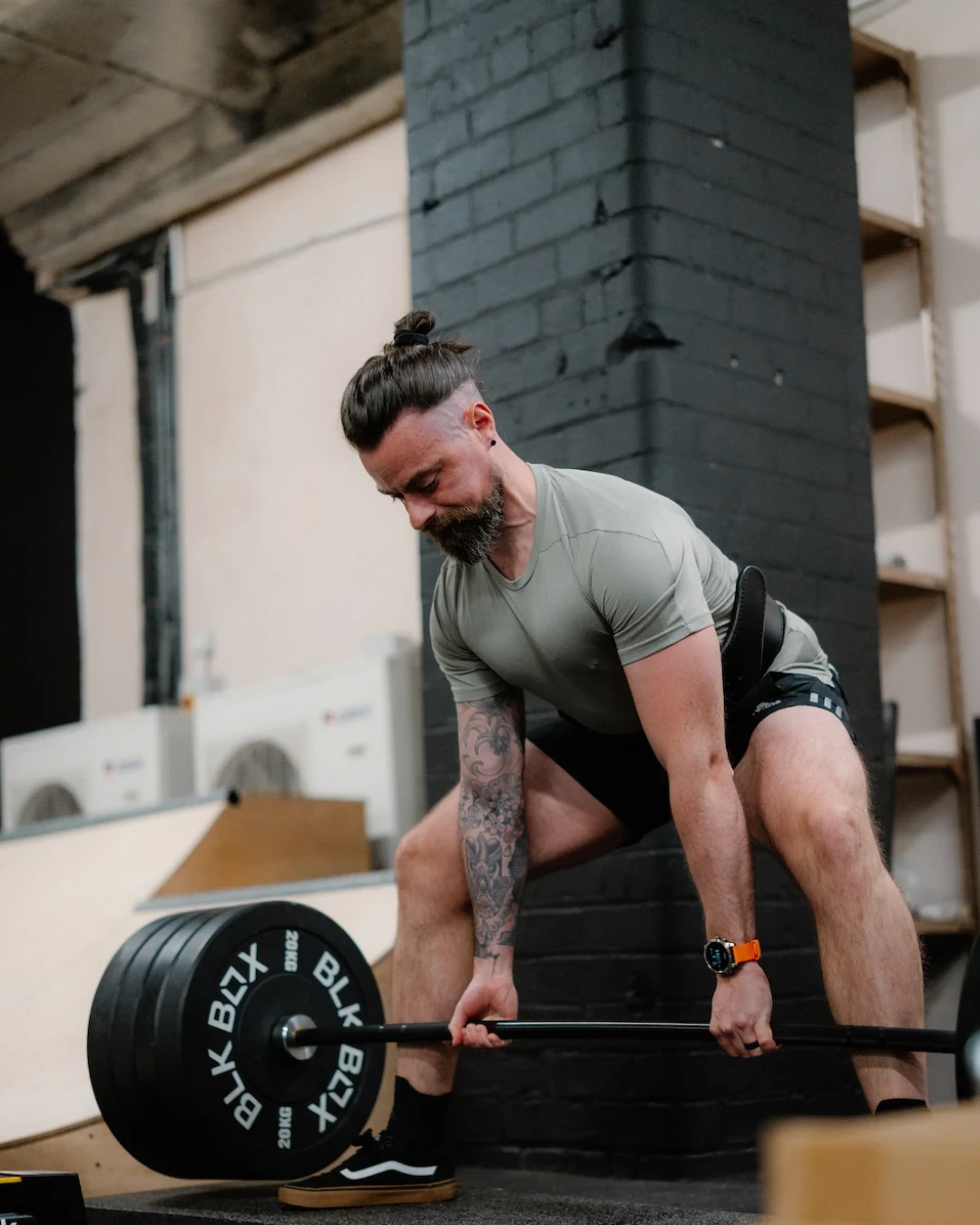
Double Training Days
By Fergus Crawley + Dr Phil Price
Let’s get one thing out of the way first.
Most people who ask about double training days don’t actually need them. They want them – because stacking two sessions in a day looks productive, feels committed, and makes for a decent Instagram story.
That’s not a good enough reason.
Everything should work backwards from your actual goal. And if you can accumulate the volume you need to hit that goal across a normal training week, you don’t need to complicate things. Double training days are a tool. Like any tool, using them when you don’t need to just creates more work and more risk for no return.
That said – if you’re training across disciplines, if you’re protecting certain days for family, or if your schedule simply doesn’t give you room to spread sessions evenly through the week, they might become necessary. And when they do, there’s a right way to approach them.
The Only Question That Actually Matters First
Before anything else: how fresh do you need to be for that second session?
That one question shapes everything. If the second session requires real intent – heavy lifting, quality intervals, anything where output matters — then you need some genuine recovery between the two. If the second session is more about volume and the quality threshold is lower, you have more flexibility.
What “recovery” actually means here is worth being honest about. If you’re a full-time professional with two young kids and a commute, a six-hour gap between sessions isn’t six hours of rest. It’s six hours of work, life admin, and the particular brand of exhaustion that comes from being responsible for small people. That counts as fatigue. Your body doesn’t care whether the stress came from a turbo session or back-to-back meetings.
This matters because the textbook advice – separate your sessions, give yourself maximum recovery – assumes a lifestyle that most people don’t have. Practicality isn’t a compromise. For the recreational athlete, it’s the main event.
Why Double Days Exist in the First Place
There are two legitimate reasons to run two sessions in a day.
The first is volume. At a certain point in your training progression, you simply can’t accumulate the work you need within a seven-day cycle without stacking some days. This is more likely to happen in hybrid training than in single-discipline training, because you’re trying to build across multiple modalities at once.
The second is life. If Sunday is protected for family, you’re working with a six-day training window. If Tuesday is the only day you have real flexibility, it might become a double day by necessity. That’s not bad programming – that’s just reality.
What isn’t a good reason: doing double days because more always feels like better, or because you’re anxious about falling behind. Doing more for the sake of more is one of the fastest routes to stalled progress and chronic fatigue.
The Order Things Should Go In
If you are going to do two sessions in one day, order matters. Here’s the hierarchy, from most to least ideal:
- Whatever is most practical for you – genuinely, this comes first
- Lifting first, endurance second, with more than six hours between
- Lifting first, endurance second, with less than six hours between
- Endurance first, lifting second, with more than six hours between
- Endurance first, lifting second, with less than six hours between
The reason lifting generally comes first is simple: heavy strength work demands a level of neuromuscular freshness that endurance work, broadly speaking, doesn’t. Going from a 90-minute turbo over-under session into a 3RM deadlift is asking your nervous system to produce near-maximal output when it’s already been working hard. It’s possible, but what you’ll find is that your “3RM” on that day is probably closer to what would normally be your 5RM or 6RM.
That’s not failure — it’s just what’s available. And this is exactly why RPE-based programming matters more than percentage-based programming for hybrid athletes. If your 1RM deadlift is 220kg and you normally expect a 3RM around 205, but you’re coming in off a hard session and 190 is what you’ve got today at the same effort level – that’s fine. You’ve used what was available. The adaptation still happens.
The caveat on order: if the endurance session is primarily technical – swimming is the obvious example – you’ll accumulate relatively little muscular fatigue from it, which means following it with strength work later is less problematic than following a hard bike session would be.
What to Do Between Sessions
Regardless of how long the gap is, what you do with it shapes how the second session goes.
Eat properly. Rehydrate. Get protein and carbohydrate in -you’ve depleted both during the first session and you need to start replenishment. This sounds obvious but people skip it, especially when life gets in the way.
Manage your mental load. This one gets ignored almost entirely, and it shouldn’t. There’s solid research showing that cognitive fatigue – doom scrolling, processing a lot of information, anything that winds you up or keeps you mentally activated – makes the subsequent training session feel harder and perform worse. The gap between sessions isn’t just physical recovery time. Try to actually decompress. If you’re at work, that’s difficult. But if you have any control over it, avoid the stuff that keeps your stress response ticking over.
Don’t add more work. Rest periods during strength sessions, and gaps between double sessions, are not opportunities to sneak in extra filler. They’re part of the training.
The Rules, Simply Put
Leave six hours between sessions where you can. One study, not fifty — but it’s a sensible rule of thumb that reflects how long meaningful replenishment takes.
Lift before endurance where possible. Exceptions apply when practicality demands otherwise.
Plan the day in advance, not optimistically. Pool opening times, cassette compatibility, whether you can get food between sessions — these things derail double days when you haven’t thought them through. Plan for the day you’ll actually have, not the day you hope to have.
Think about the week, not just the day. If Tuesday is going to be a high acute-fatigue day, Wednesday should be easier. The mistake is spreading high fatigue evenly across the week so nothing ever recovers. At OMNIA, we consolidate intensity at the start of the week and let volume and recovery follow. Acute fatigue peaks early and decreases as the week progresses. It works.
Consider combining sessions when it frees up your evenings. This sounds counterintuitive, but there’s a real argument for it. If doing both sessions in the morning means your evenings are free (for family, recovery, genuine rest) the psychological benefit of having your training boxed off by midday might outweigh the marginal interference effect of a shorter gap. For a recreational athlete, the interference effect of back-to-back sessions is real but modest. You’re still progressing. You just might be progressing at 80% of theoretical maximum rather than 100% — but since you’ve never experienced the 100%, you won’t notice the difference. What you will notice is the difference between consistent training over months and inconsistent training because your programme doesn’t fit your life.
The Honest Summary
There’s no one-size-fits-all answer here, and anyone claiming there is isn’t paying attention to how people actually live.
What there is: a set of principles to apply to your own circumstances.
Double training days are a useful tool once you’ve accumulated enough baseline fitness to handle the load. They’re not a badge of commitment, not a shortcut to faster progress, and not something everyone needs. For hybrid athletes, they become relevant sooner than for single-discipline athletes – but even then, they’re optional until the volume genuinely demands them.
When you do use them, order your sessions sensibly, eat and recover properly between them, plan the logistics in advance, and use RPE to stay honest about what you’ve got on the day.
And if you can get your evenings back in the process, that’s not a compromise. That might just be the smartest programming decision you make.
If you want help structuring your training – how to build a hybrid training week, how to periodise strength and endurance together, how to avoid the interference effect and balance your nutrition — you can apply to work with us here.
Or, if you’d like an introduction to hybrid training – you can download our free hybrid training guide here.
 VO2 Max Explained: What Hybrid Athletes Need to Know
 The Metrics That ACTUALLY Matter
 How To IMPROVE Your Cycling